

The global eyewear market, propelled by fashion trends, healthcare needs, and technological advancements, demands efficient and secure logistics. Successfully moving eyewear bulk shipments from manufacturer to distributor requires meticulous planning, specialized knowledge, and careful execution at every stage. This guide covers the critical phases of glasses export delivery, focusing on wholesale eyewear cargo preparation, secure eyewear container loading, and optimal bulk glasses packaging.
Phase 1: Strategic Planning & Preparation for Export
Before any cargo is packed, a robust plan is essential for a seamless glasses export delivery.
• Documentation & Compliance: Ensure all commercial invoices, packing lists, and certificates of origin are accurate. For prescription eyewear, be aware of medical device regulations in the destination country. Properly classified HS (Harmonized System) codes are crucial for customs clearance.
• Incoterms Clarity: Define responsibilities clearly using Incoterms® rules (e.g., FOB, CIF, DAP). Who arranges transport, pays for insurance, and bears risk at each stage? Clarity prevents costly disputes.
• Route & Carrier Selection: Choose freight forwarders with experience in handling delicate consumer goods like wholesale eyewear cargo. Evaluate routes for cost, transit time, and potential weather-related risks to fragile items.
Phase 2: Specialized Bulk Glasses Packaging
This is the most critical step in protecting your investment. Bulk glasses packaging must serve three functions: protection, organization, and efficiency.
• Primary Protection: Each pair of glasses should be in its own protective sleeve or pouch. For higher-value or prescription eyewear, use individual hard cases or form-fitting inserts to prevent scratching and frame deformation.
• Secondary Organization: Use divided cartons or compartmentalized storage boxes within the master carton. This prevents pairs from shifting and rubbing against each other. Anti-tarnish strips or silica gel packets are advisable to control moisture, especially for metal frames.
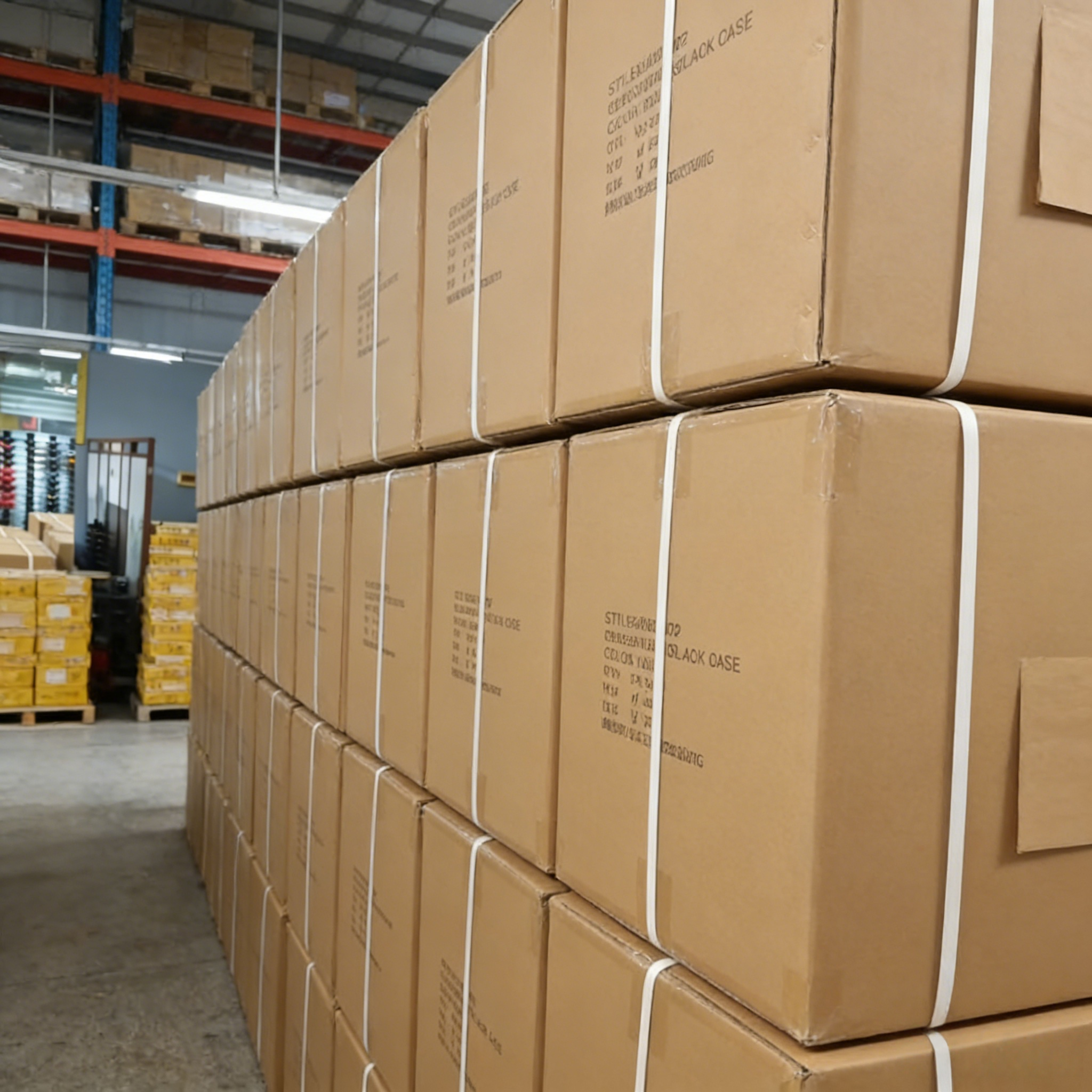
• Tertiary & Master Cartoning: Pack organized inner boxes into strong, corrugated master cartons. Fill all voids with cushioning material like air pillows or foam to eliminate internal movement. Cartons must be clearly marked with handling icons (fragile, this side up) and shipment information.
Phase 3: Secure Eyewear Container Loading
The transition from warehouse to container is a vulnerable point. Proper eyewear container loadingtechniques are non-negotiable.
• Palletization: Securely stack and shrink-wrap master cartons onto uniform, sturdy pallets. This creates unitized loads that are easier, faster, and safer to move with forklifts, minimizing manual handling.
• Container Selection: Standard Dry Containers are common, but consider:
◦ High-Cube Containers: Offer extra vertical space for optimized stacking.
◦ Controlled Atmosphere Containers: For very high-value shipments where humidity control is paramount.
• Loading Protocol: Load pallets tightly against each other and the container walls to prevent shifting during transit. Use load bars, straps, or dunnage bags to secure the cargo. Never exceed the container's weight limit. Distribute weight evenly across the floor.
Phase 4: Transportation & Final Delivery
The journey of your eyewear bulk shipment involves multiple handoffs.
• Insurance: Secure comprehensive marine cargo insurance that covers door-to-door risks, including breakage, theft, and general average.
• Tracking & Visibility: Utilize container tracking services provided by your carrier or forwarder. Real-time visibility allows for proactive management of delays.
• Final Mile Considerations: Coordinate with the consignee. Ensure they are prepared for unloading, have the necessary equipment (forklifts, pallet jacks), and understand the unpacking protocol to inspect for any potential transit damage immediately.
Common Challenges & Mitigation Strategies
• Theft & Pilferage: Use discreet packaging that doesn’t advertise the contents. Consider security seals for containers and master cartons. Opt for reputable carriers with strong security records.
• Condensation & Moisture Damage: Moisture is the enemy of metal frames and lenses. Use desiccants and ensure packaging materials are dry. Avoid extreme temperature changes where possible.
• Customs Delays: Ensure 100% accuracy and completeness in documentation. Work with a customs broker familiar with eyewear/medical device imports in the destination country.
Conclusion
Managing a successful glasses export delivery is a complex symphony of precise packaging, meticulous planning, and secure logistics. By investing in specialized bulk glasses packaging, adhering to strict protocols for eyewear container loading, and partnering with experienced freight experts, businesses can ensure their valuable wholesale eyewear cargo arrives intact, on time, and within budget. In a competitive global market, a reliable supply chain is not just an operational function—it's a strategic advantage that protects your brand reputation and bottom line.