

The creation of a high-quality acetate eyewear frame is a symphony of precision engineering and material science. At the heart of this process lies the eyewear mold, a sophisticated tool that transforms raw material into the recognizable form of a frame. Understanding the key components and stages of this process—from the mold core & cavity to the final frame blank—is essential for brands and buyers who value quality, consistency, and manufacturing efficiency.
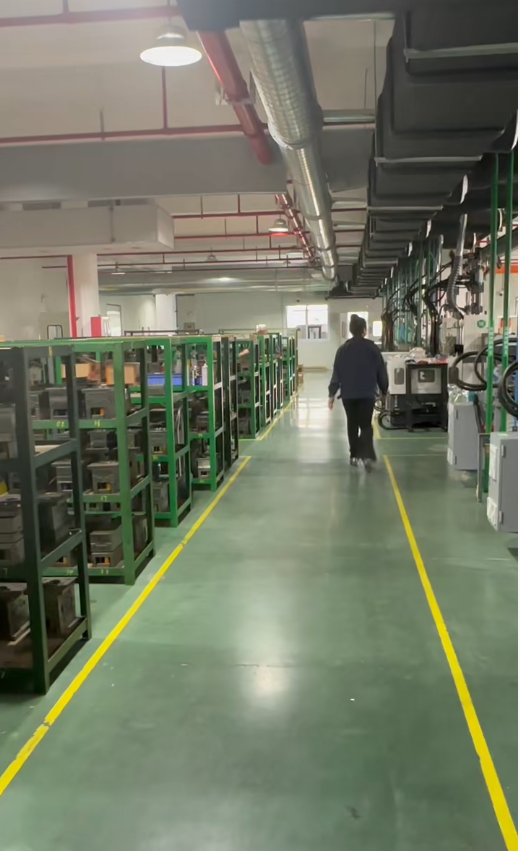
1. Eyewear Mold: The Master Template
An eyewear mold is a high-precision, typically steel tool used in the injection molding or compression molding of plastic frames. It serves as the master template, defining every curve, bevel, and detail of the final product. The quality of the eyewear mold is paramount; any imperfection in its design or machining will be replicated in every single frame produced. Investing in a precisely engineered eyewear mold is the foundational step for ensuring product consistency and aesthetic fidelity across large production runs.
2. Mold Core & Cavity: The Negative and Positive Space
The eyewear mold itself is composed of two primary halves: the mold core and the mold cavity. These are the mirror-image, machined components that create the frame's shape. When the mold closes, the space between the core and the cavity forms the exact three-dimensional shape of the frame. The precision with which these components are manufactured—down to micron-level tolerances—determines the fit of the frame, the sharpness of design details, and the ease with which the finished frame blank can be ejected.
3. Acetate Sheet: The Raw Canvas
The material destined for the mold is the acetate sheet (or plate). Acetate, a plant-based plastic derived from cotton fibers and wood pulp, is prized for its rich colors, depth, and hypoallergenic properties. For molding, sheets are cut into pre-measured blocks or "cakes." The quality, color consistency, and pattern alignment of the acetate sheet are critical, as they are fused under heat and pressure within the mold to become an integral part of the final product's visual appeal.
4. Frame Blank: The First Physical Form
Once a pre-heated acetate sheet block is placed into the closed mold cavity and subjected to intense pressure and heat, the material flows to fill the space. After a controlled cooling period, the mold opens to reveal the frame blank. This is the raw, unmachined output of the molding process—a single piece of acetate that contains the rough outline of the front frame and temples, often connected by excess material called "runners" or "flash." The frame blank is the crucial bridge between the molded form and the finished, polished frame.
5. Molding Cycle Time: The Engine of Efficiency
The molding cycle time encompasses the entire sequence from mold closing, heating, applying pressure, cooling, to mold opening and frame blank ejection. Optimizing this cycle is a critical aspect of production management. A well-calibrated molding cycle time ensures:
• Material Integrity: Proper heating and cooling prevent internal stresses or warping in the frame blank.
• Detail Definition: Sufficient pressure and time allow the acetate to perfectly capture every detail of the mold core & cavity.
• Production Throughput: A streamlined, efficient cycle directly impacts daily output and unit cost. Balancing speed with quality is the key to profitable manufacturing.
Conclusion
The journey from a design concept to a tangible frame blank is governed by the precision of the eyewear mold and the science of the molding process. Each element—from the perfectly matched mold core & cavity, the quality of the acetate sheet, the management of the molding cycle time, to the initial output of the frame blank—plays an indispensable role. For eyewear brands, a deep partnership with a manufacturer that masters these fundamentals guarantees not only the aesthetic vision of a collection but also the structural integrity and commercial viability of every pair