

In the highly competitive and detail-oriented world of eyewear manufacturing, the final stages between production completion and customer receipt are check before shipment not merely logistical steps; they are the last, and arguably most critical, line of defense for brand reputation. A single pair of scratched lenses or a misaligned frame reaching a customer can undo months of brand building. This makes the integrated processes of Shipping Inspection, Visual Inspection, the final Check before shipment, the issuance of the Shipping Notice, and the final declaration of Ready for dispatch a cohesive symphony of quality assurance. This article delves deep into each of these pillars, exploring their individual importance, their interdependencies, and how they collectively form an impervious barrier against defects, ensuring that only flawless products leave the factory floor.
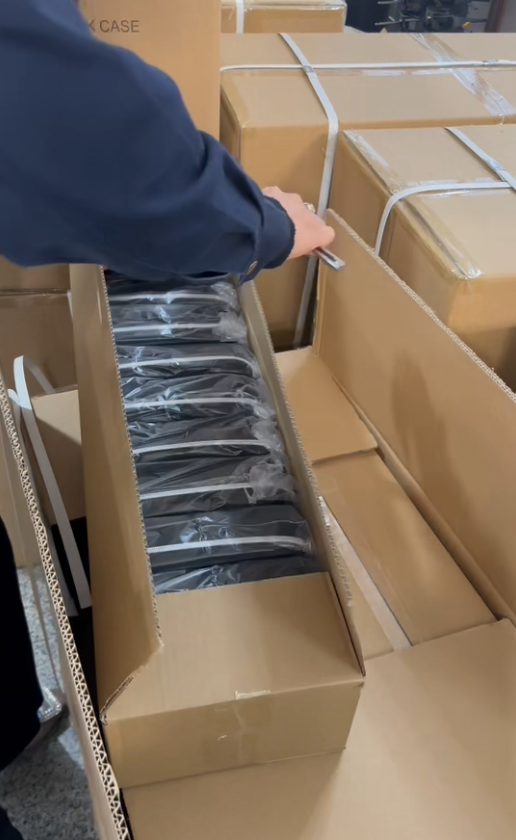
The Foundation: Understanding Shipping Inspection
Shipping Inspection, often termed Final Random Inspection (FRI) or Outgoing Quality Control (OQC), is the umbrella process that governs the pre-dispatch phase. It is a formal, systematic evaluation conducted on a production batch deemed complete by the assembly line. Unlike in-process checks, Shipping Inspection is holistic, examining not just the product, but its presentation, packaging, and documentation against the client’s Purchase Order (PO), detailed specifications sheet, and approved samples.
The methodology is typically governed by the ANSI/ASQ Z1.4 standard (or its ISO equivalent, ISO 2859-1), which defines sampling plans based on the Acceptable Quality Limit (AQL). For eyewear, AQL levels are often stringent. Critical defects (e.g., broken lenses, incorrect prescription power) might have an AQL of 0, meaning a single discovery can fail the entire batch. Major defects (e.g., deep frame scratches, significant color deviation) might have an AQL of 0.65, and minor defects (e.g., minor dust under lenses, slight polishing marks) an AQL of 1.5. An inspector randomly selects the prescribed number of units from the packed cartons, ensuring the sample is representative of the entire lot.
The Shipping Check before shipment Inspection report is a legal and qualitative document. It details the sample size, the number and classification of defects found, and provides a clear PASS/FAIL recommendation. This report is the objective foundation upon which the decision to ship is made. It protects the factory by providing evidence of due diligence and protects the buyer by ensuring contractual quality standards are met before payment is released.